We see the whole problem, not just the slice your current tools can measure, and we deliver answers you can defend. Ardous Engineering and Research LLC delivers advanced materials R&D and physics-based modeling for the most sophisticated thermal hardware: high-fidelity thermal, radiative, and electromagnetic simulation, CFD, FEA, structural and vibrational analysis, and rigorous V&V.
Specialized technical services across advanced materials research, thermal and radiative modeling, computational simulation, and V&V documentation.
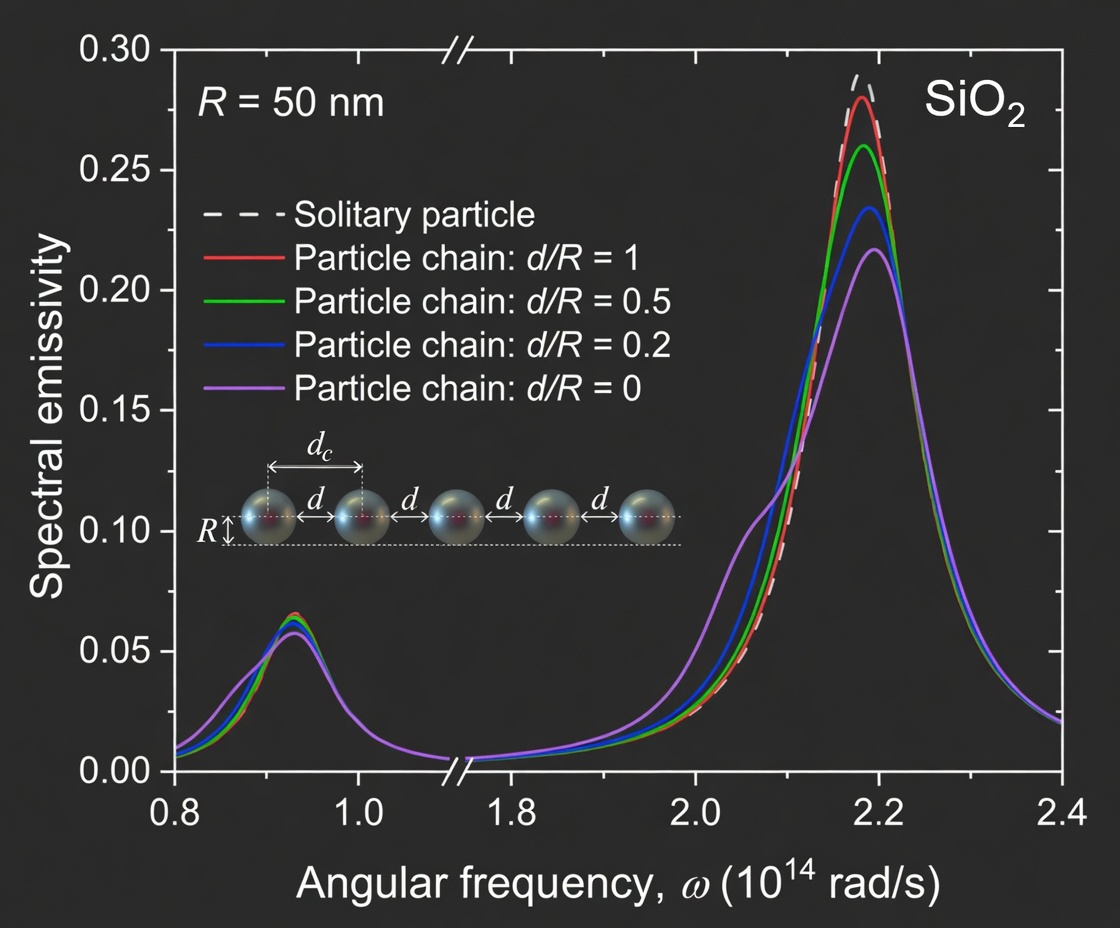
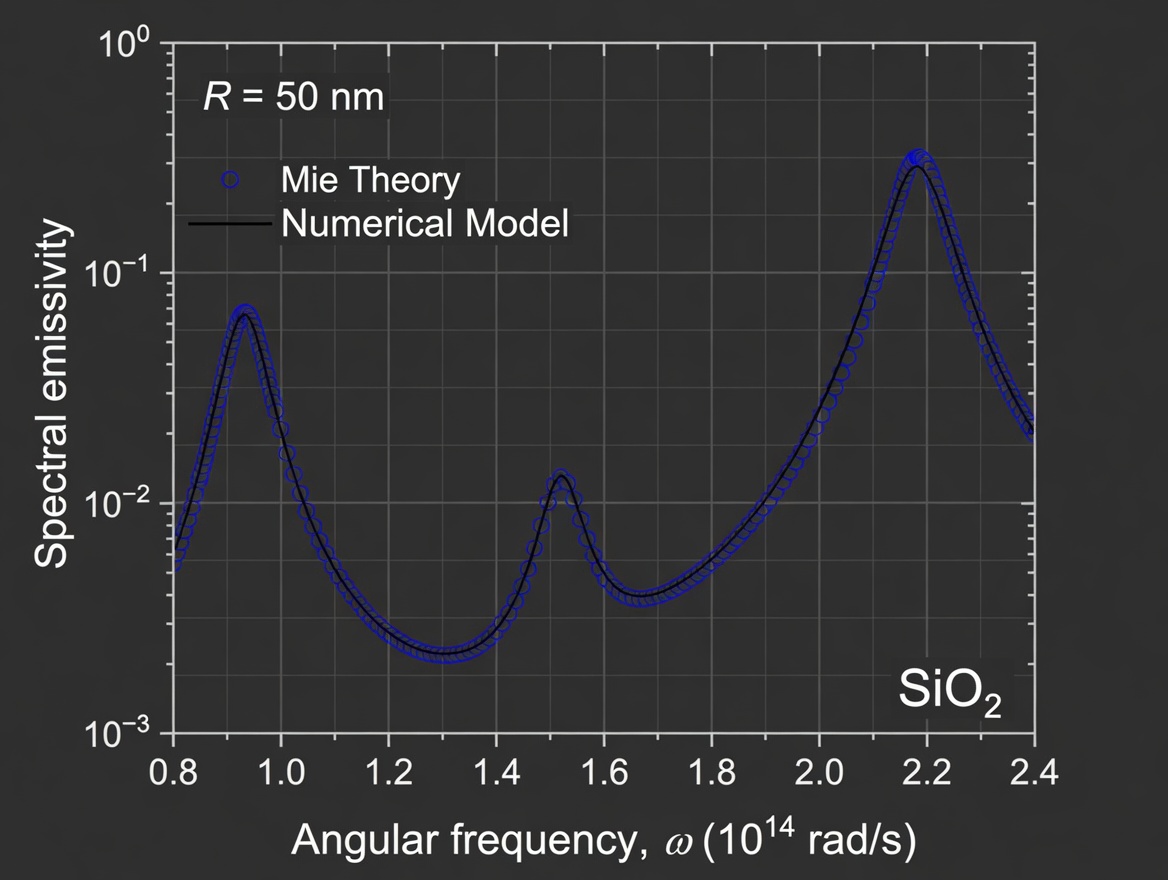
Thermal and radiative heat transfer modeling
First-principles computational models of thermal emission and radiative heat transfer in real devices and components, including near-field radiative effects. Grounded in three peer-reviewed papers and a USPTO patent filing held by Principal Engineer Dr. Joseph McKay.
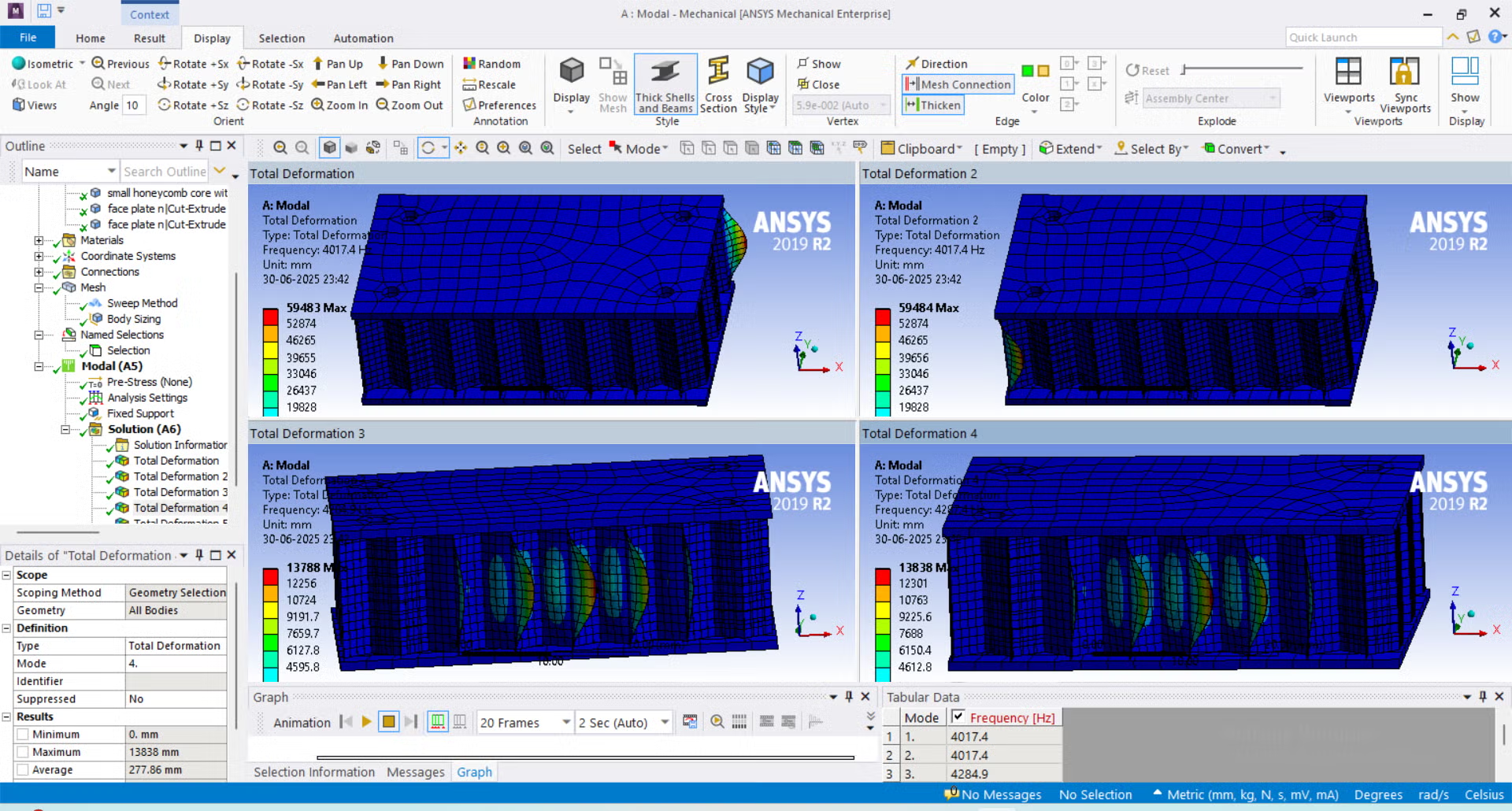
Ansys Mechanical, Ansys Fluent, and custom MATLAB frameworks for thermal, fluid, vibrational, and structural analysis. High performance computing execution and rigorous benchmarking.
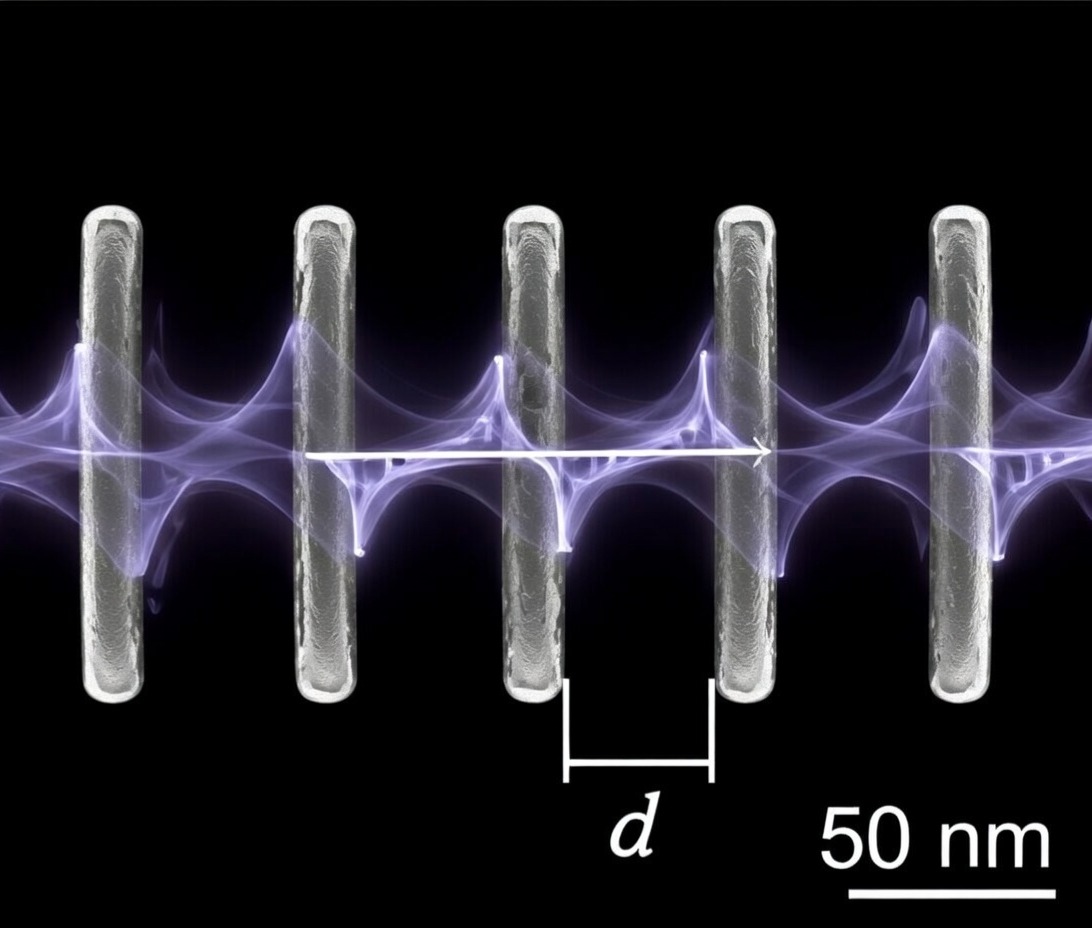
Original research and development of nanostructured materials for thermal emission control. Methods grounded in peer-reviewed published work and protected by a USPTO patent filing held by Principal Engineer Dr. Joseph McKay.
Founded by Dr. Joseph McKay, whose doctoral research in near-field radiative heat transfer and SiC nanowire thermal emission gives every engagement genuine technical foundation.
02
Small Business Agility
Direct principal involvement on every project. No layers of management between client needs and technical execution. Fast, clear communication as a core commitment.
03
Capabilities Few Can Offer
Near-field radiative heat transfer is rare in commercial practice, and it anchors a full thermal, fluid, and structural simulation practice. Where most firms reach the limits of their tools, our work begins.
DOE Alignment
Industries We Serve
Fusion & Advanced Energy
Research-grade modeling of plasma-facing components, magnets, electrodes, and thermophotovoltaic systems: first-wall and divertor heat flux, pulsed EM-thermal loads, and emitter efficiency.
Batteries & Energy Storage
Coupled electrochemical-thermal-mechanical modeling for cells, stacks, and packs: separator and interface stress, fast-charge thermal, runaway propagation, and module-scale thermal management.
Data Center Cooling
Fast, validated CFD for liquid and immersion cooling: single- and two-phase cold plates, CDUs, rear-door heat exchangers, and immersion tanks, with defensible performance as rack densities climb.
Teaming
The Deep Technical Specialist Your Team Is Missing
Bring us the thermal, radiative, or electromagnetic problem your current tools can’t crack, and we’ll tell you straight whether we can help.